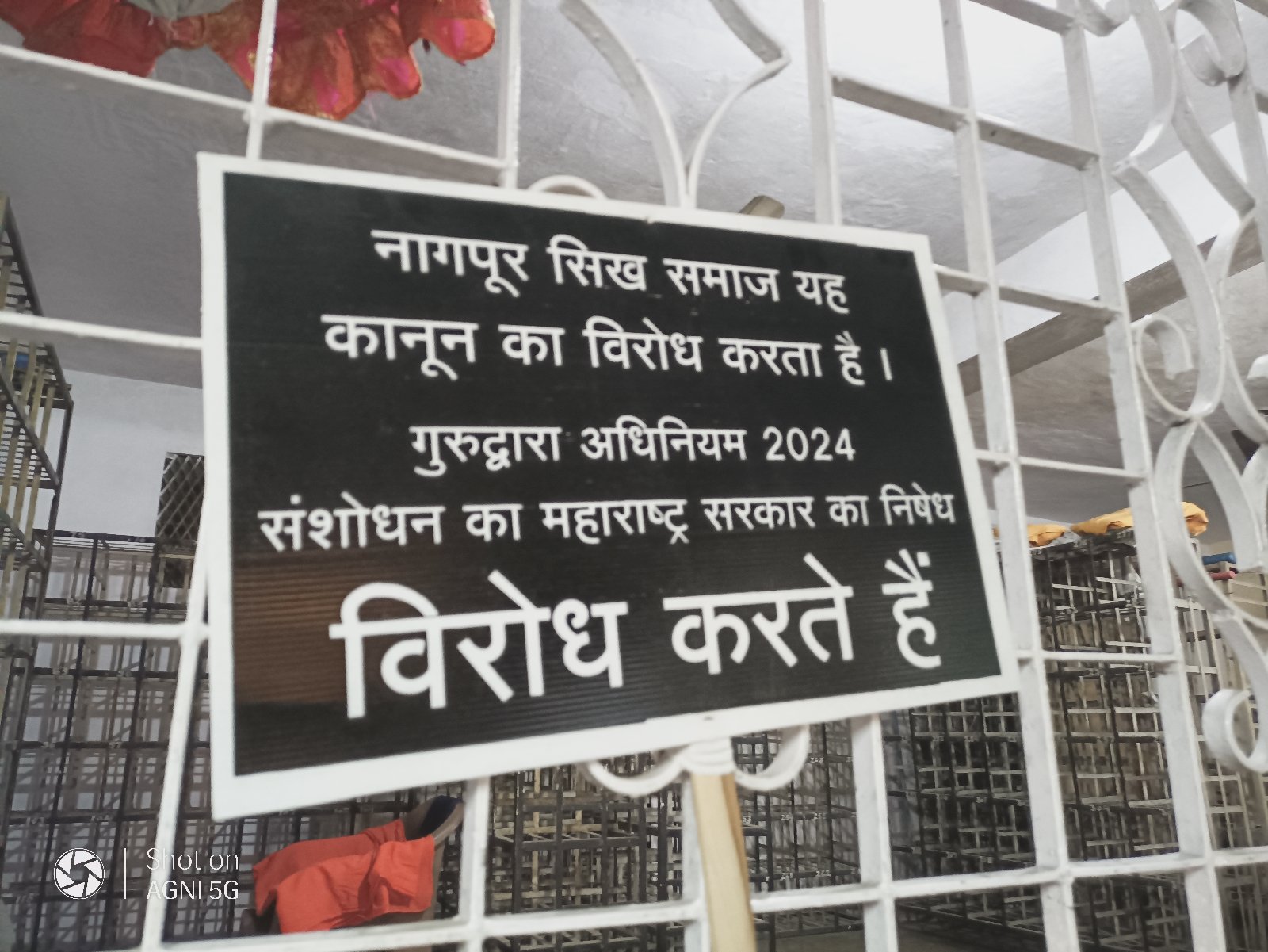
Well, I want to first start with a confession: The last time I went to my local Singh Sabha Gurudwara was not very recently and I may be preaching something I may not have myself practiced. Nevertheless, the issue needs to be spoken about. The issue is of Singh Sabha Movement and how it led to many very good changes in the Sikh social and religious structure. Gurudwaras around the world, after the Singh Sabha Movement became the extension counters of the message of moneotheistic Sikhism and brought the local area Sikh Sangat close. The movement also standardised the Sikh symbolism, architecture and practices of Sikh worship. Today, every Gurudwara has the Guru Granth Sahib at the highest pedestal, with easy access to all. There is also a stage for Sikh leaders for bringing Sikh issues and another stage for Kirtan and Katha. But there is a sad story about Singh Sabha Gurudwaras that are in low Sikh population areas or are sometimes in large cities too, (which need...
The 5 kakkars or the 5 Ks are a fundamental tenet of the Sikhism and is a mandatory requirement after taking Amrit and initiating into the Sikhism. This Amrit is a voluntary action by Sikhs today and not all 'Sikhs' who wear a turban today or have a beard wear the 5 kakkars. This may sound strange to the other religions where baptism may be the prerequisite to call yourself belonging to a particular religion. This strangely is, but should not be, the current way Sikhism is. Somehow we see a picture being painted that people taking Amrit are ultra orthodox, super religious or even may be categorised as people who may affiliate themselves to separatists. This is something that must be denied by all Sikhs both consiously, and also unconsciously in their heads when they think about it. Due to the aftermath of the Sikh insurgency in Punjab and the 1984 Sikh genocide in Delhi, there were many Sikhs who even did away with their turbans and beards, let alone taking Amrit a...
So, you want to go to Gurudwara Hemkunt Sahib? This guide will surely help you. Image: Gurudwara Hemkunt Sahib Note: This guide is for those people who want to go to Gurudwara Hemkunt Sahib as a pilgrim. If you want to go as a tourist this is not for you. Being a pilgrim means living in modest overnight accomodations (wherever you get it) and being thankful for it. Route, with mode: Delhi to Haridwar; Mode: Train, Bus, Car, Taxi Haridwar to Rishikesh: Car, Bus Rishikesh to Govind Ghat: Bus, Tempo Traveller (mini bus), Taxi Govind Ghat to Phulna: Only one type of Sumo Taxi on sharing basis Phulna to Govind Dham (Ghanghariya): Mode: Trekking, Mule/Pony ride or Helicopter Govind Dham to Gurudwara Hemkunt Sahib: Trekking or Mule/Pony ride. There are direct trains from Delhi to Haridwar and not to Rishikesh. From Haridwar, Rishikesh is just 30-40 minutes (max 1 hour) away in road. If you want to take a car, you can take a direct car...
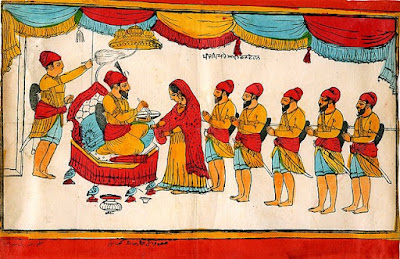
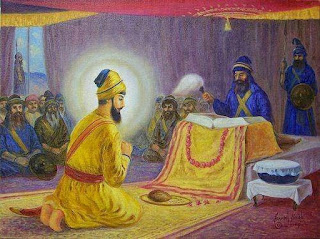
Any body who believes in the concept of 'ghar wapsi' or re-conversion back to the main religion must understand one thing. The people who left the main religion in the first place had certain grievances and they would not come back unless those grievances are dealt with and a safe space is created for them. Any Hindu "cultural" organisation which wants Christian converts to come back to the Hindu fold requires the most important internal housekeeping, i.e., ridding themselves of the oppressive brahmanical caste system and treating the downtrodden as their own. Image: Guru Gobind Singh, creating Khalsa , where all previous religions, castes, regions were dissolved and new identity was created. This bound the Sikhs with the 'organic filament' that united them as one. This exact concept was highlighted by the person who wrote the Constitution of India. His name was Dr Bhim Rao Ambedkar and he was a very learned legal luminary and also the representative of the...
At the outset, I am a Sikh, an Indian and do not agree to the view that there should be a Khalistan, or a Sikh homeland. This thought in itself is what needs to be disgusted upon, along with its parallels that are being created by some people who want a Hindu Nation! But, at the same time, I am worried and concerned about the religious polarisation where one should either fit in the definition of 'Hindu' or be labelled as a non-Indian. Sikhism is an independent religion and not a sect of Hinduism or a part of Hinduism. And, the attempts made by any Hindu "cultural" organisation to end the minority status for Sikhs, Jains and Buddhists and assimilate the same into the Hindu fold is a existential suicide for Sikhs in India. In the Hindu fold, Sikhs will have to go through the vagaries of caste system, ritualistic hypocrisy and a departure from monotheism. These are the very principles that Sikhism has revolutionised against to create a new and independent religion. T...
My elder sisters studied in a school in Delhi run by the Sikh Gurudwara body. These schools are minority run institutions which are supposed to be run to promote the students of particular minorities to get education. The mission of the school where my sisters studied has fourteen points. The point about Sikhism is only one, at point number 10 which states the school mission to 'encourage students to follow the Sikh Religion and belief.' The other points are about important professional and social goal related missions. But interestingly, the first one is 'To provide secular education to students from all communities.' For survival, educational institutions of minorities must open themselves up and talk the language of inclusiveness and secularism. But, at the same time, the reason for creation of the minority institutions as per the Delhi Sikh Gurudwara Management Committee Act of 1971 must be highlighted. The Act states the purpose being 'to spread education, ...
This is in response to the Appeal by SGPC to provide suggestions on the Roles and Responsibilities of the Respected Jathedar of the Akal Takht Sahib . It must be noted that the Jathedar of the Akal Takht Sahib is a Politico-Religious person and not a mere religious head. Before the Jathedar will be questions concerning the political, social, economic, and of course religious affairs of the Sikh Panth. Sikhi is fast evolving as a global religion and the Jathedar must represent the Sikhs across the globe and must not be limited in thought and action for Indian Sikhs. Most humbly and with full responsibility the following suggestions for the role of Jathedar Sahib of Akal Takth Sahib are presented: Roles and Responsibilities: 1. To be the guardian of the uniqueness of the Khalsa Panth , Khalsa beliefs, Khalsa way of life and syste...
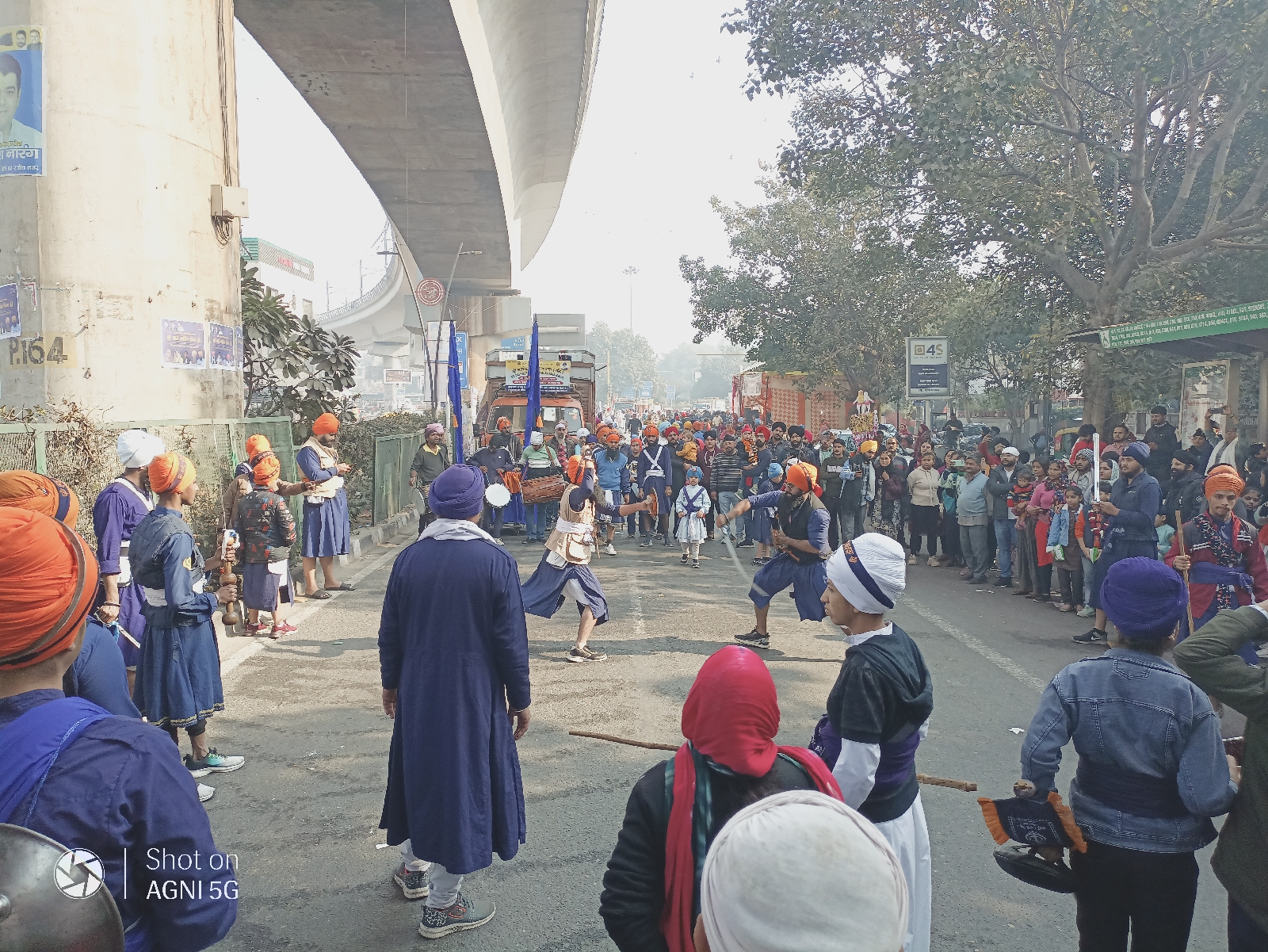
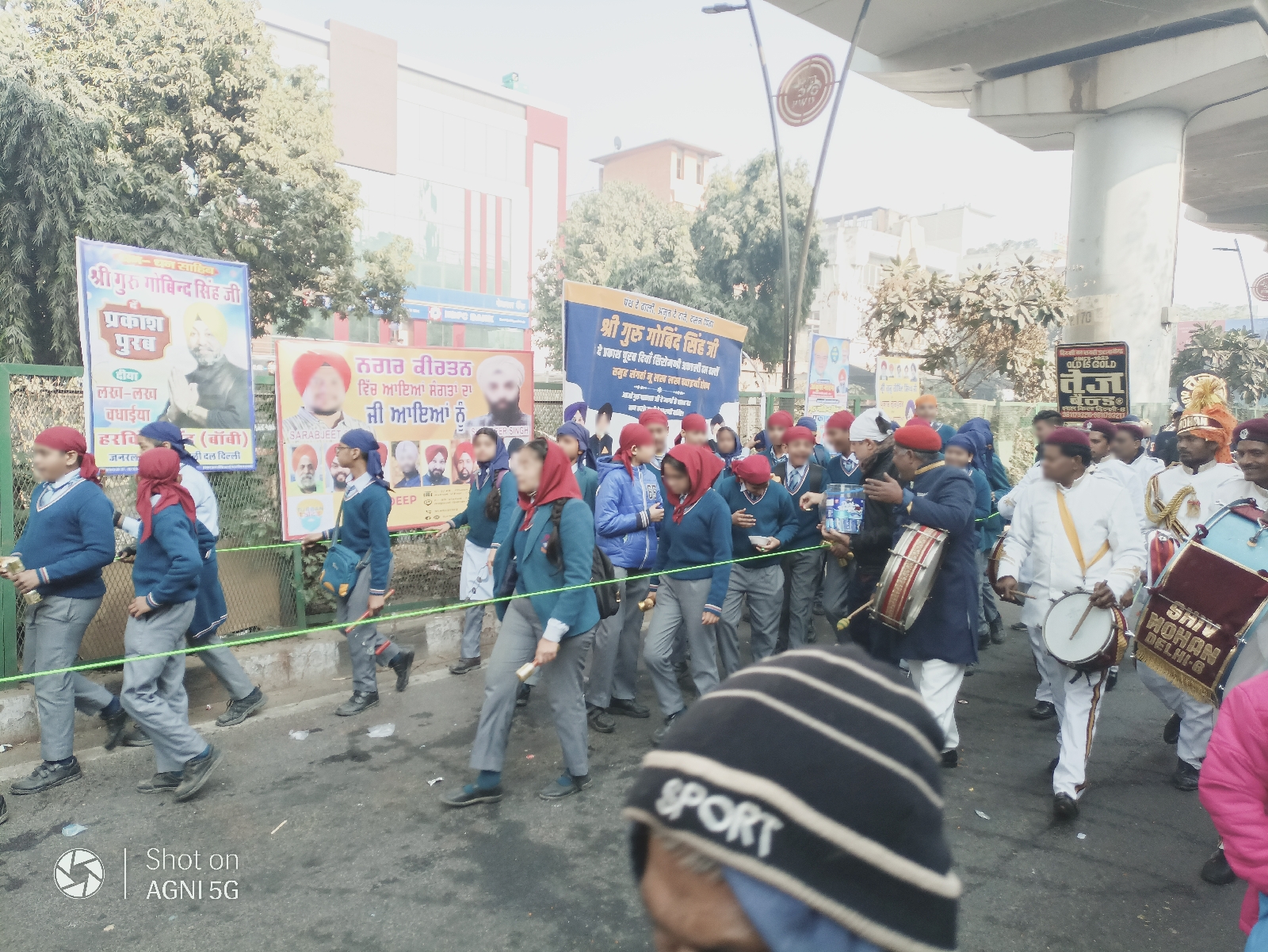
I went to Jodhpur during the New Year, which was also a work trip. In the trip we stayed at the Singh Sabha Gurudwara. The day we came was also the day when the Gurudwara had the first Prabhat Pheri, which is an early morning procession done usually during Guru Nanak's and Guru Gobind Singh's birthday and the weeks preceding it. It is when the local Sikhs come and sing praises of God and other kirtan with a small drum (dholaki) and other kirtan instruments like chimta and the two brass cymbals (small ones). After going through the streets the Prabhat Pheris finally reach the house of the host who is pre decided and it is matter of honour and pride to host a Prabhat Pheri. The list rotates and every year is given to a new set of people. In Jodhpur, the Prabhat Pheri was a very grand event even though the city has a very limited Sikh Population. There would be 150-200 people in one Prabhat Pheri. In Delhi, the most posh area Greater Kailash 2, on the other hand had very limite...
Before even getting into Sikh philosophy, let's look at the Hindu reform movements and what they had in common. Going backwards, the Brahmo Samaj founded by Raja Ram Mohan Roy, during the Times of Bengal Renaissance worshipped 'the nameless, eternal, immutable Being who is the Author and Preserver of the universe.' Brahmo Samaj has no faith in Hindu incarnations, denounced polytheism and idol worship and was against the brahmanical caste system. This is a movement that had left an impression even on Swami Vivekananda during his early days. Second is Arya Samaj, which was also a monotheistic Hindu reform movement, which also denounced idol worship and rituals. These had their influence from the Advait Vedanta , whose proponent was Adi Shankaracharya (who also had a debate with a ritualistic Brahmin about rituals and dualism, with him negating these) which stated that there is no duality, but the ultimate reality called Brahman (not to be confused with a Brahmin) which is ...


Comments
Post a Comment
Please share your view